


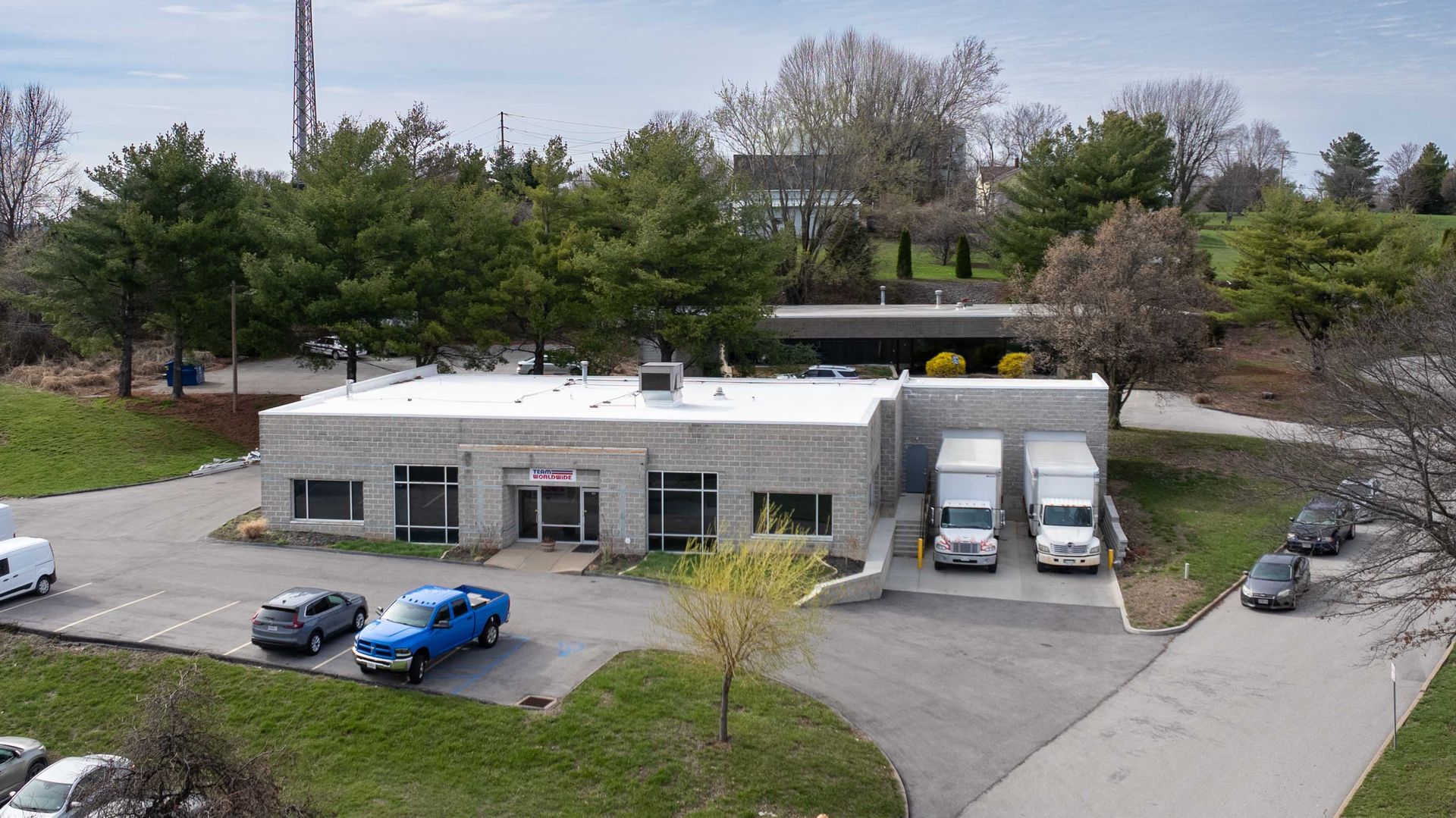
Commercial roofs are exposed to changing weather conditions throughout the year. After months of summer heat, the arrival of cooler fall temperatures brings another shift in the environment surrounding the roofing system.
For most people inside a commercial building, these changes happen largely out of sight. For property and facility managers, however, seasonal transitions can serve as a useful reminder to pay attention to roof conditions.
Understanding how changing temperatures affect a commercial roofing system can help building owners recognize why ongoing observation and maintenance matter year-round.
Roofing Materials Respond to Temperature Changes
A commercial roof consists of multiple materials and components that work together to protect the building below; as outdoor conditions change, those materials are continually exposed to variations in temperature, sunlight, moisture, and weather.
Those seasonal changes are one reason the roof's condition should be evaluated over time rather than only when an obvious problem develops.
A roofing system that has already experienced years of weather exposure or normal wear may have areas that deserve additional attention.
Looking at the roof periodically gives property managers an opportunity to understand how those conditions are developing rather than waiting until a concern becomes visible from inside the building.
Pay Particular Attention to Seams, Flashing, and Transitions
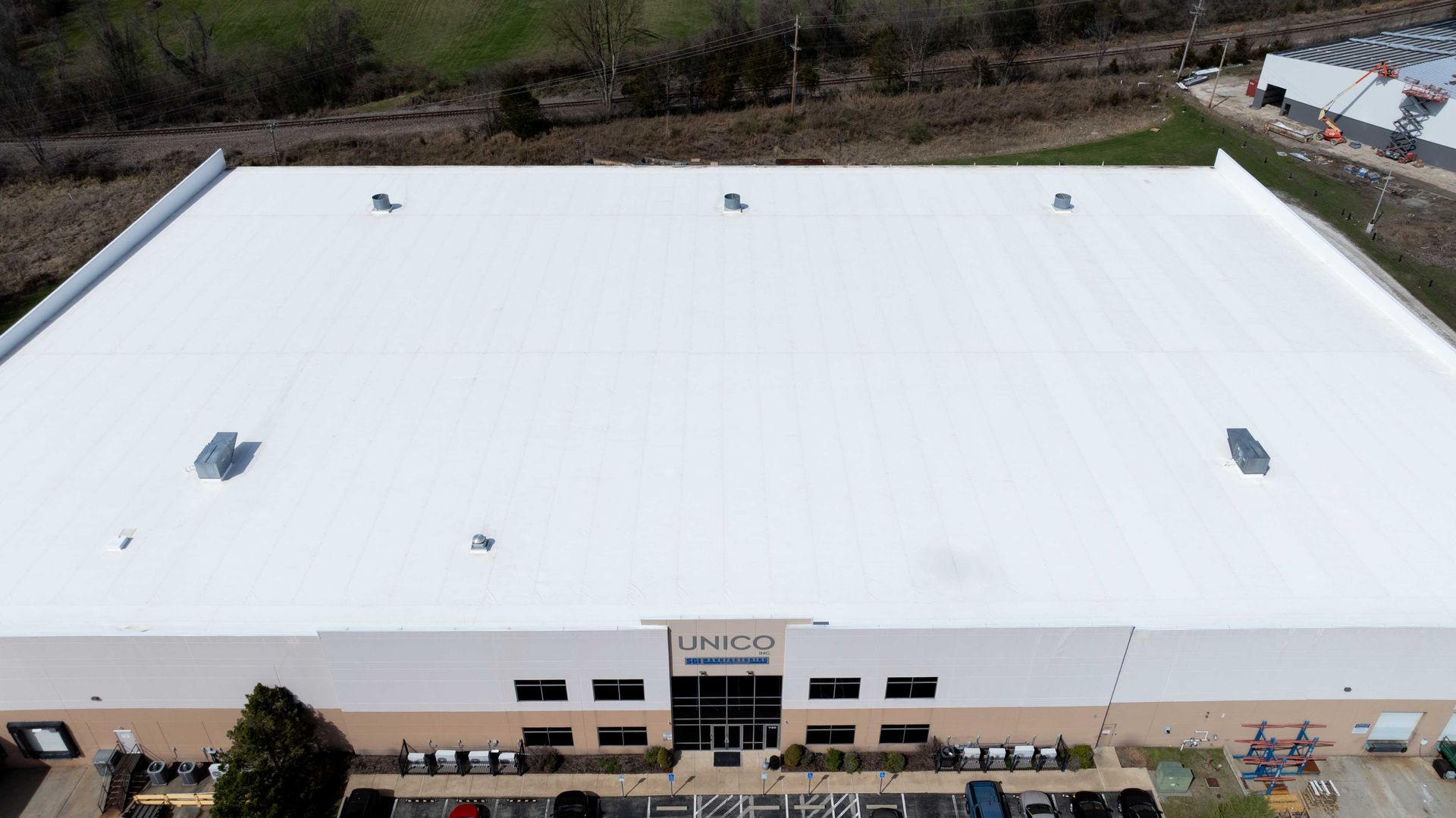
A commercial roof is more than one large, uninterrupted surface. Different sections and materials come together throughout the roofing system, creating areas that deserve attention during an evaluation.
These can include seams, flashing, roof edges, penetrations, transitions between materials, and areas surrounding rooftop equipment.
Each of these areas serves an important purpose within the overall system. As temperatures and weather conditions change, property managers should remain aware of areas where previous damage, deterioration, or repairs have occurred.
Keeping track of these locations can make it easier to recognize when something has changed and determine whether a professional evaluation is warranted.
Monitor Existing Roof Damage as Conditions Change
Seasonal temperature changes are only one part of the environment a commercial roof experiences.
By fall, a roof may have already been exposed to summer conditions, storms, foot traffic from maintenance work, rooftop equipment servicing, and the normal effects of aging.
That makes existing areas of wear particularly important to keep in mind. A section of roofing that has previously raised concerns should not be overlooked simply because there is no visible leak inside the building.
Keeping an eye on known problem areas and documenting visible changes can give facility managers a better understanding of how the roof is performing over time.
Don't Overlook Drainage as the Seasons Change
As summer gives way to fall, changing conditions around the property can also affect roof drainage.
Leaves and other debris may collect near drains or other areas intended to move water away from the roof. If water begins collecting where it normally would not, that is worth noting as part of the overall roof evaluation.
After periods of precipitation, property managers can pay attention to where water collects and whether drainage appears to be functioning as expected.
Drainage is part of the complete roofing system, so understanding the roof's condition requires looking beyond the surface.
Fall Is a Good Time to Understand Your Roof's Current Condition
Fall offers a natural opportunity to take stock of what a commercial roof has experienced during the warmer months.
Were there any roofing concerns during the summer? Has the building experienced severe weather? Have contractors or maintenance teams recently worked on rooftop equipment? Are there previously repaired areas that should be checked again?
The purpose of asking these questions is not to assume every roof needs immediate work. Instead, the goal is to have a clear understanding of current conditions so property managers can make informed decisions about maintenance needs heading into another season.
Keep Records of Changes and Previous Roof Work
Commercial roofs may remain in service for many years, which makes good recordkeeping valuable.
Maintain information about previous inspections, repairs, leaks, and other roofing work. If the same area has required attention more than once, documenting that history can provide useful context during future evaluations.
Photos can also help facility managers compare areas over time rather than relying entirely on memory.
Good records create a more complete picture of a roofing system's history and can make conversations with roofing professionals more productive.
Thinking Beyond the Current Season
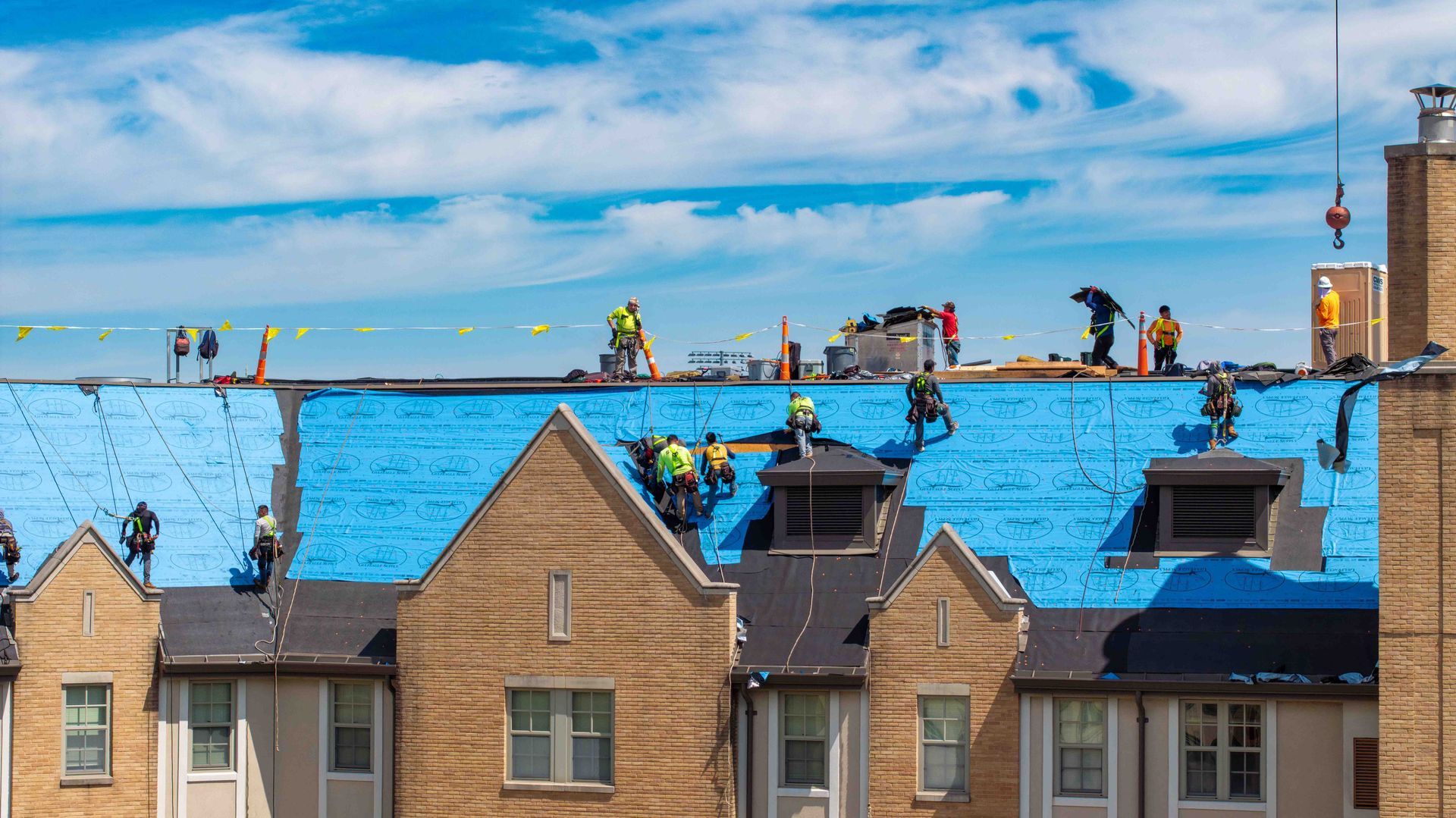
Every season places different demands on a commercial building. Rather than viewing fall as the one time to think about roofing, use seasonal changes as reminders to stay familiar with your roof's overall condition.
Regular attention, good records, and professional evaluations when concerns arise can help commercial property owners make more informed decisions about maintenance and future roofing needs.
If changing temperatures have you thinking about the condition of your commercial roof, CD Strong Construction can evaluate your roofing system and help you determine the appropriate next steps for your property.
Contact us or
call us today to discuss your commercial roofing needs.