

Most commercial property owners understand that roof inspections are important.
However, many assume an inspection simply involves checking for visible leaks or obvious damage.
In reality, a commercial roof inspection is a much more comprehensive process. Roofing professionals evaluate multiple components that affect your roof's performance, longevity, and ability to protect the building.
The goal is not just to identify existing problems. It is also to uncover developing issues before they become major repairs, business disruptions, or costly replacements.
A thorough inspection gives property owners and facility managers a clearer understanding of their roof's condition and helps support smarter maintenance planning moving forward.
Why Commercial Roof Inspections Matter
Commercial roofs are exposed to the elements every day. Sunlight, wind, rain, snow, temperature fluctuations, and debris all contribute to wear and tear over time.
While major roofing problems often grab attention, most significant issues begin as relatively minor concerns. A small membrane separation, clogged drain, or damaged flashing component may not seem urgent at first, but these issues can worsen if left unaddressed.
Regular inspections help identify potential problems early, allowing property owners to address them before they affect building operations or require more extensive repairs.
Inspections also provide valuable information for budgeting and long-term planning.
Understanding the condition of a roofing system today can help property owners make informed decisions about future maintenance, repairs, and replacement schedules.
Inspecting the Roofing Surface
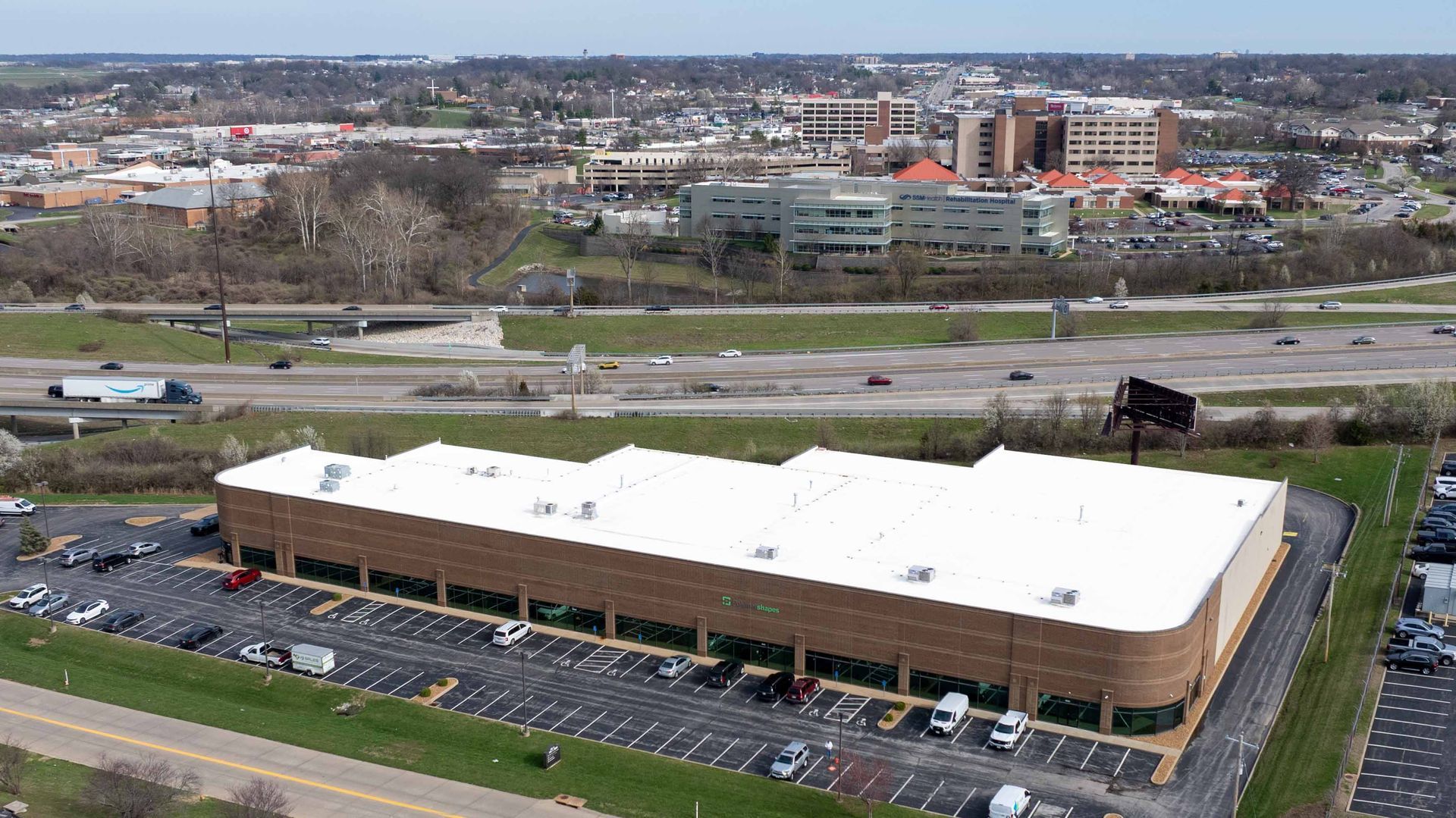
One of the first areas inspectors evaluate is the roof surface itself.
On commercial roofing systems, inspectors look for signs of wear, deterioration, and damage that could impact performance. Depending on the roofing system, this may include cracks, punctures, open seams, membrane shrinkage, blistering, loose materials, or severe-weather damage.
Even roofs that appear to be performing well from ground level can have developing issues that are only visible during a close-up inspection.
Inspectors also look for areas experiencing abnormal wear. Consistent foot traffic, equipment servicing, and environmental conditions can create localized stress points that may require additional monitoring or maintenance.
Evaluating Flashing and Roof Penetrations
Many commercial roofing issues begin around roof penetrations and transition points rather than the field of the roof itself.
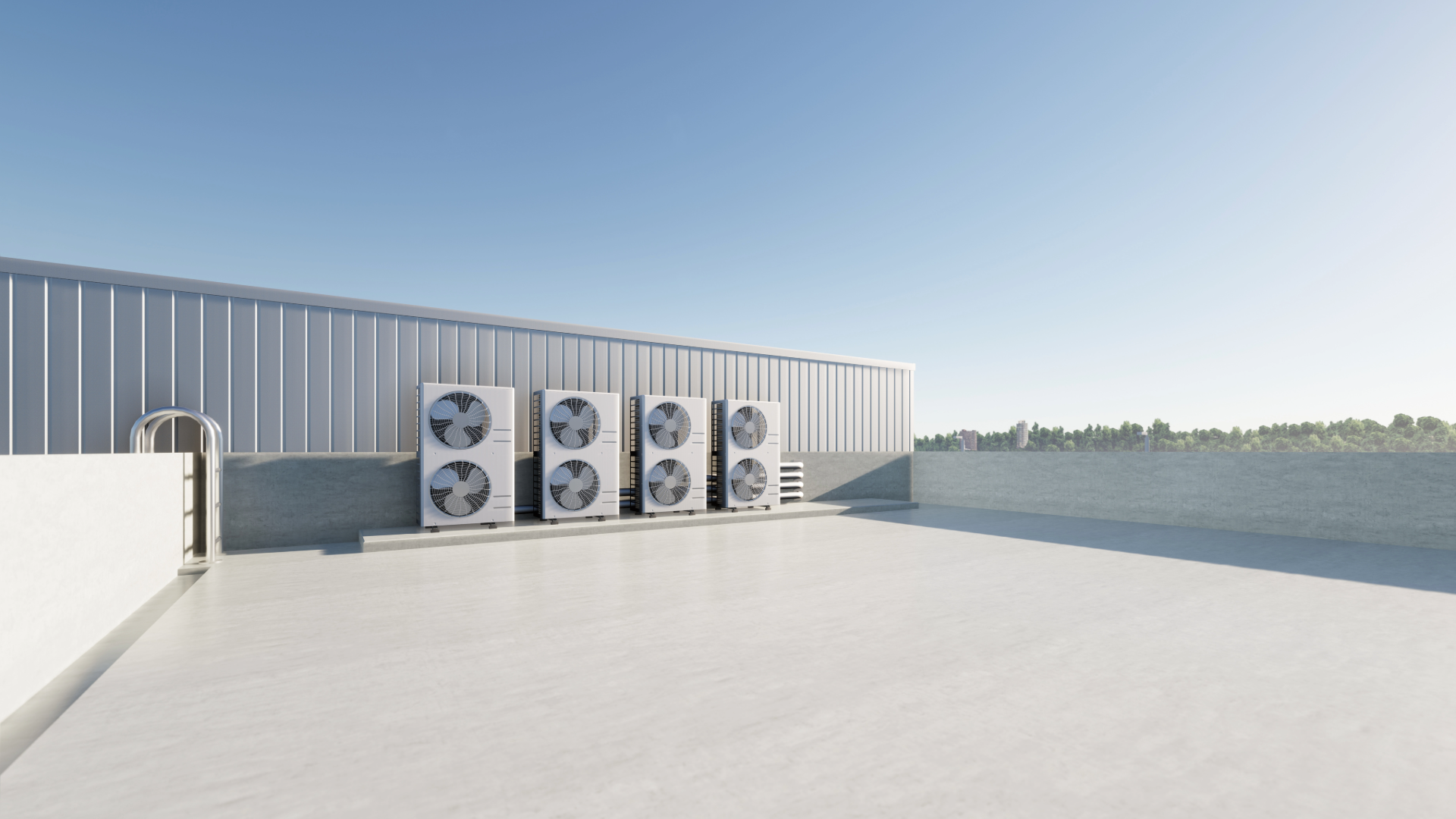
HVAC units, vents, pipes, skylights, communication equipment, and other rooftop systems all require openings or transitions within the roofing system. These areas are protected by flashing, sealants, and other waterproofing components that help prevent moisture intrusion.
During an inspection, roofing professionals carefully examine these locations for cracking, separation, deterioration, or signs of movement.
Because penetrations create natural interruptions in the roof system, they often require ongoing attention throughout the roof's life. Catching problems in these areas early can help prevent water infiltration and avoid more extensive damage to roofing materials and building components.
Checking Drainage and Water Management
Proper drainage is one of the most important factors affecting commercial roof performance.
A roof can have high-quality materials and expert installation, but if water does not drain properly, problems can develop over time.
During an inspection, professionals examine drains, scuppers, gutters, downspouts, and other drainage components to ensure water is moving efficiently off the roof.
They also look for areas where water may be collecting or ponding. Standing water places additional stress on roofing materials and can accelerate deterioration.
Over time, ponding water may lead to leaks, membrane damage, and shortened roof lifespan.
Looking for Signs of Moisture Intrusion
Commercial roof inspections are not limited to visible leaks.
Experienced inspectors know that moisture often begins affecting a roofing system long before water becomes visible inside the building. Because of this, inspections frequently include looking for subtle indicators of moisture intrusion.
These signs may include stains, soft spots, deteriorated roofing materials, saturated insulation, or other evidence that moisture has entered the roofing assembly.
In some situations, moisture can remain trapped within roofing materials for extended periods without producing obvious symptoms inside the facility.
Identifying these issues early helps prevent further damage and protects the overall integrity of the roof system.
Assessing Overall Roof Condition and Remaining Service Life
A commercial roof inspection is also an opportunity to evaluate the roof's overall condition and long-term outlook.
Rather than focusing solely on individual repairs, inspectors assess how the roofing system as a whole is aging. This includes reviewing previous repairs, evaluating areas that may require future attention, and identifying maintenance priorities.
For facility managers and property owners, this information can be extremely valuable. It allows them to plan ahead rather than react to unexpected failures.
Understanding the roof's current condition helps organizations make more informed decisions regarding maintenance schedules, capital improvement planning, and long-term budgeting.
Why Documentation Matters
A good inspection does more than identify problems. It creates a record of the roof's condition.
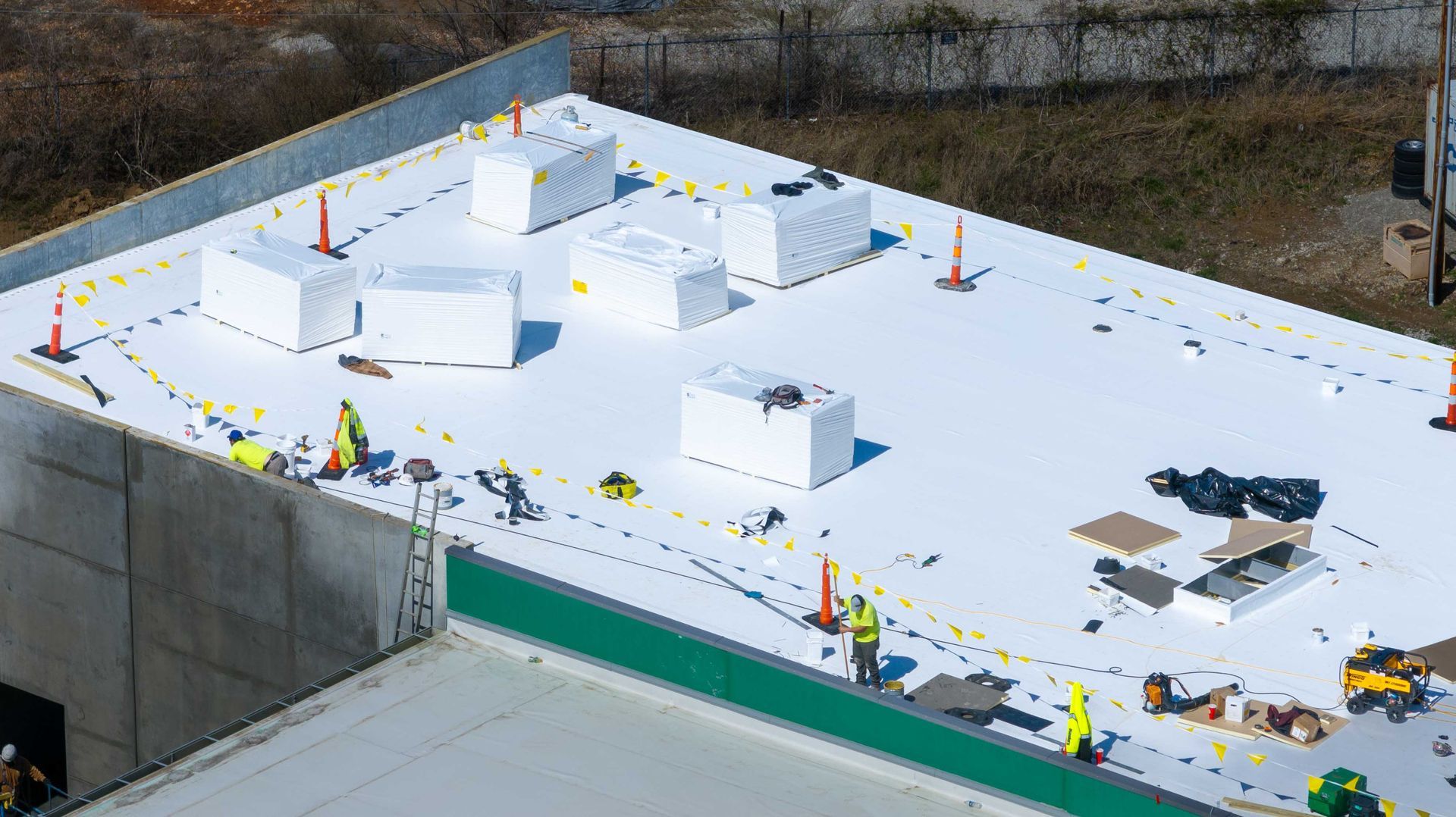
Inspection reports often include photographs, observations, condition assessments, and recommendations for maintenance or repairs. This documentation provides a useful reference point when comparing roof conditions over time.
For properties with multiple buildings or large maintenance portfolios, documentation can help prioritize projects and allocate resources more effectively.
It can also support warranty requirements, maintenance records, and future decision-making regarding repairs or replacement planning.
Turning Inspection Results Into a Maintenance Plan
The most valuable roof inspections do not end when the report is completed.
Inspection findings should help guide a proactive maintenance strategy. Minor repairs can be prioritized before they become major concerns. Areas of recurring wear can be monitored more closely.
Facility managers can plan budgets with greater confidence and avoid many of the surprises that often accompany emergency roof repairs.
Rather than simply responding to roofing problems as they occur, inspections help property owners take a more strategic approach to protecting their investment.
A Roof Inspection Is About More Than Finding Leaks
A commercial roof inspection involves much more than looking for visible leaks.
Professional inspectors evaluate roofing surfaces, flashing details, penetrations, drainage systems, moisture concerns, and overall roof condition to develop a complete picture of performance and risk.
By identifying issues early and supporting proactive maintenance planning, inspections can help extend roof lifespan, reduce repair costs, and protect commercial properties from avoidable disruptions.
CD Strong Construction helps property owners and facility managers evaluate roof conditions, identify emerging issues, and develop proactive maintenance strategies to support long-term performance.
Contact our team to schedule a commercial roof inspection and protect your investment.