


CD STRONG BLOG
Learn what commercial roof inspections actually look for, including membrane wear, flashing, drainage issues, leaks, and storm damage, before costly repairs.
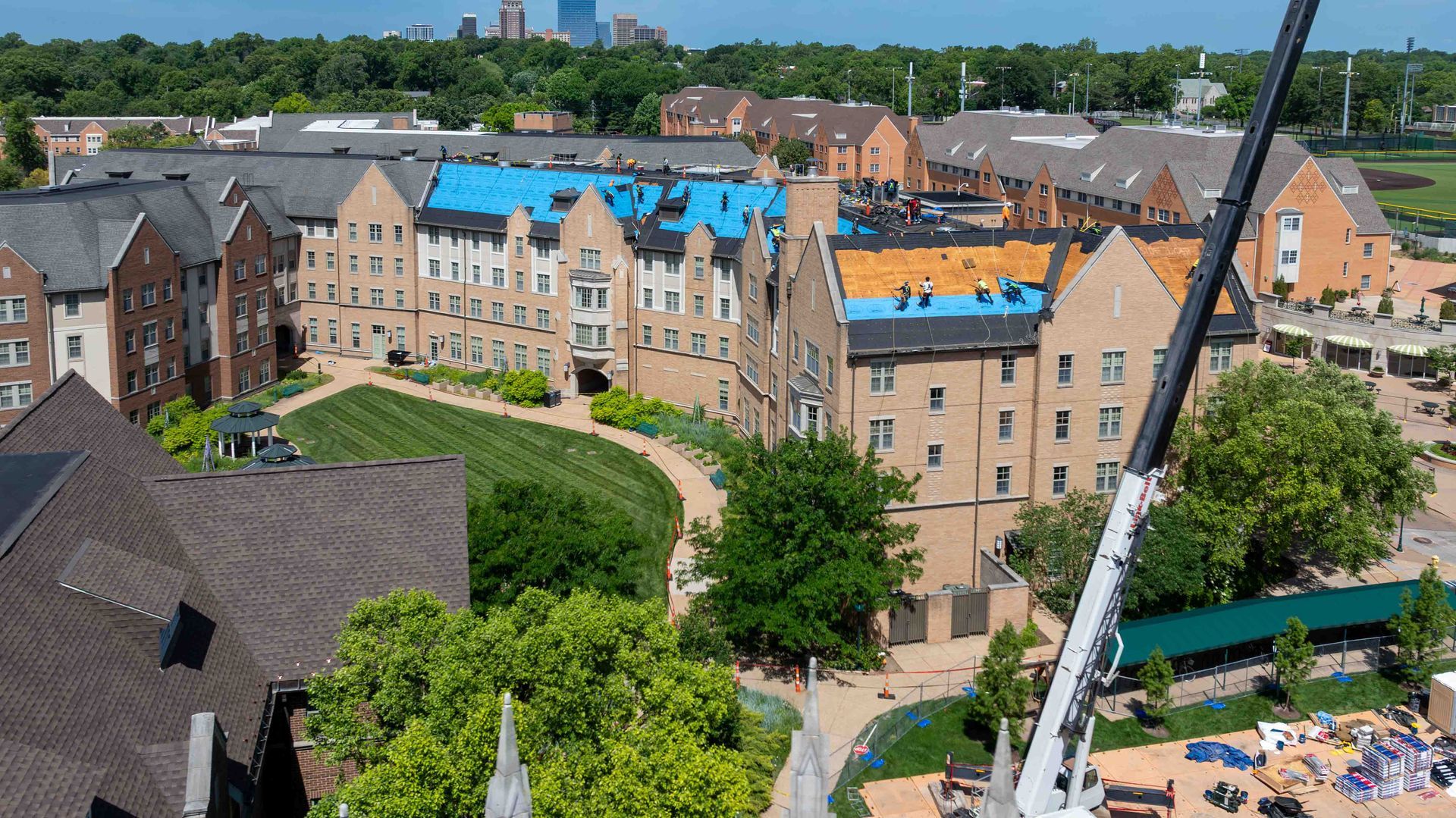
Explore our commercial roofing services in St. Louis and how local weather, maintenance, and proper planning impact the long-term performance of your roof.
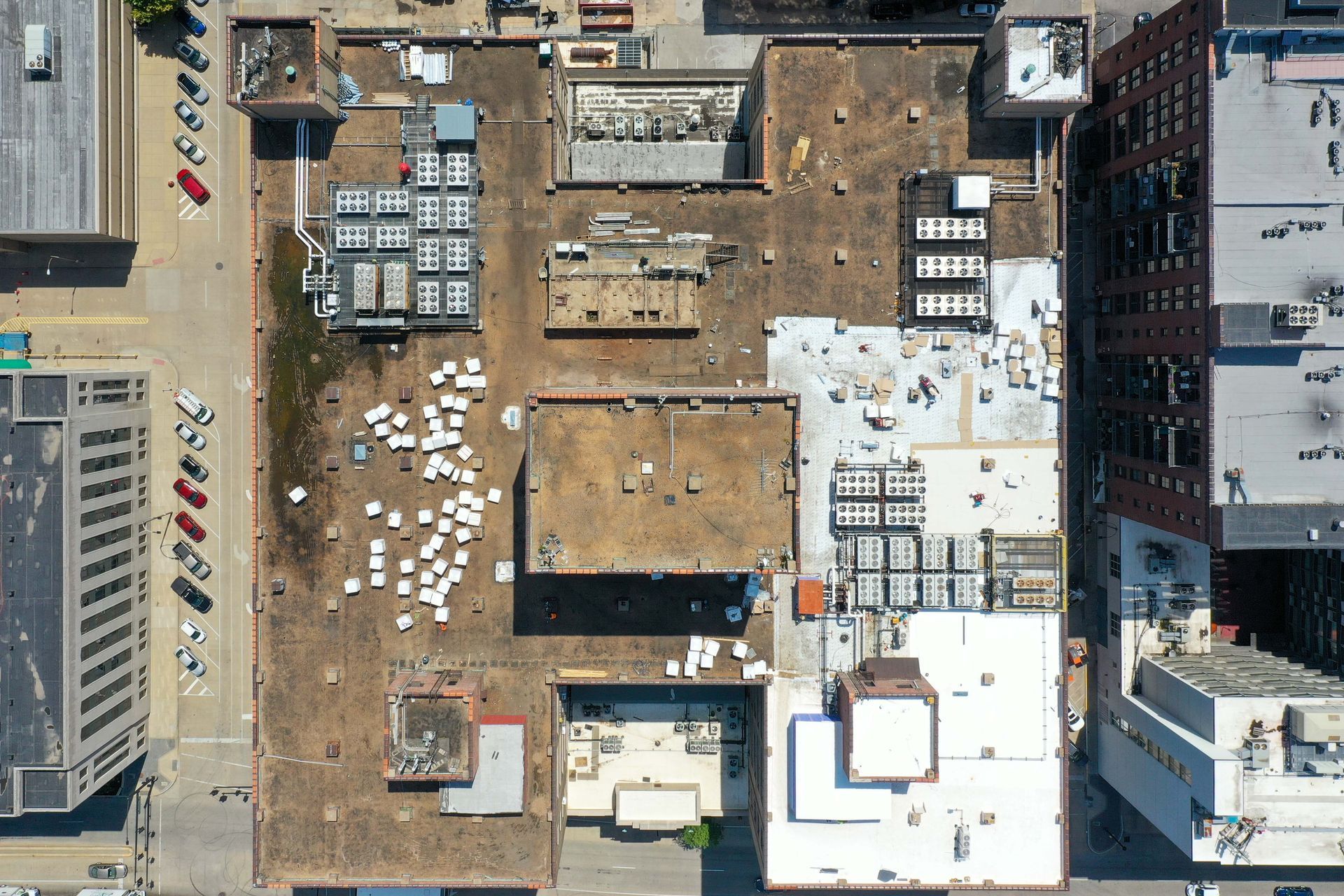
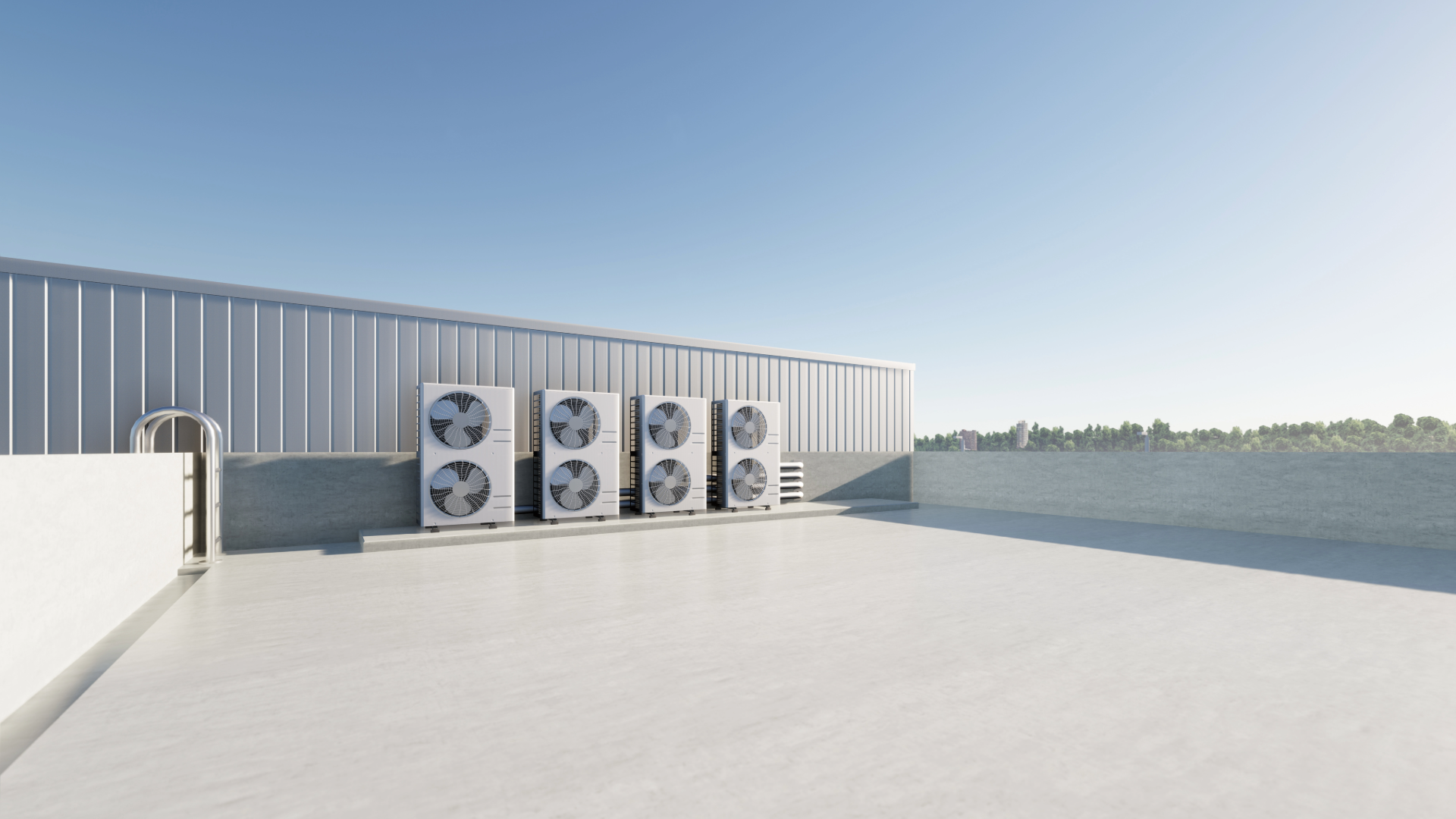
Roofing decisions directly affect energy costs in commercial buildings by influencing heat gain, heat loss, and overall building efficiency. The materials you choose, the condition of the roof, and how it is installed all affect how hard your HVAC system must work. When roofing performance is overlooked, energy bills often rise quietly year after year. A commercial roof is not just protection from the elements. It is part of the building's energy system. How Does a Commercial Roof Impact Energy Efficiency? A commercial roof affects energy efficiency by controlling how much heat enters or escapes the building. Poor roofing systems allow excess heat to build up in warm months and escape during colder months (both scenarios force mechanical systems to compensate). Key factors that make the difference include: Heat reflectivity Insulation performance Air sealing Roof condition and integrity When these elements are misaligned or deteriorating, energy loss increases. Why Roofing Material Choice Matters Roofing materials determine how much solar heat the building absorbs. Dark or low-reflective surfaces absorb more heat, increasing interior temperatures and cooling demand. High-reflective or cool roofing materials help reduce heat absorption by reflecting sunlight away from the building, stabilizing interior temperatures, and reducing strain on HVAC systems. Material choice also affects durability and long-term performance. A failing roof allows moisture intrusion, compresses insulation, and reduces thermal effectiveness. How Insulation Under the Roof Affects Operating Costs Roof insulation plays a major role in controlling energy loss. Even the best roofing system underperforms if insulation is inadequate, damaged, or improperly installed. Poor insulation leads to year-round headaches. Heat escapes during winter Heat enters during the summer Uneven indoor temperatures Constant HVAC cycling For example, a warehouse with aging insulation may experience higher cooling costs despite newer rooftop equipment. Addressing insulation during roofing projects often reduces energy waste more effectively than upgrading mechanical systems alone. What Happens When a Roof Is Aging or Damaged? An aging or damaged roof often loses its ability to control air and temperature. Small leaks, membrane separation, or saturated insulation reduce performance long before obvious structural failure occurs. Common energy impacts of roof deterioration include: Increased heating and cooling costs Poor humidity control Hot and cold zones inside the building Frequent HVAC repairs Energy loss often shows up quietly on utility bills long before visible damage appears
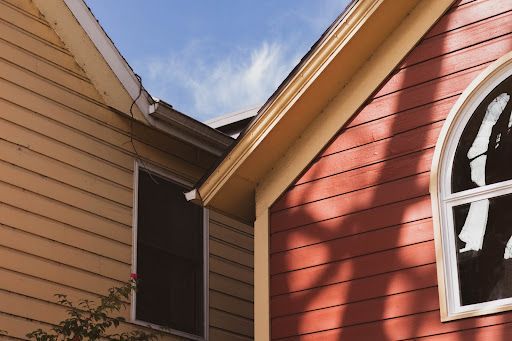
A list of some of the most common roofing myths we encounter (and the truth behind them).
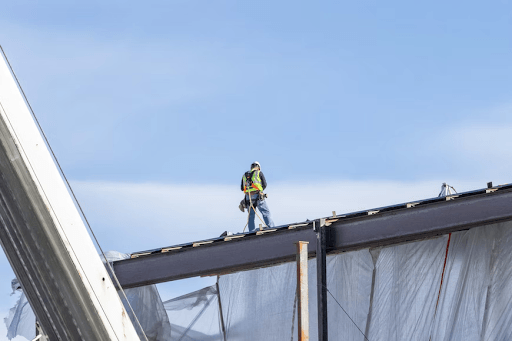
While delaying roof repairs might seem like the easier option in the short term, it often leads to much bigger problems in the long run.
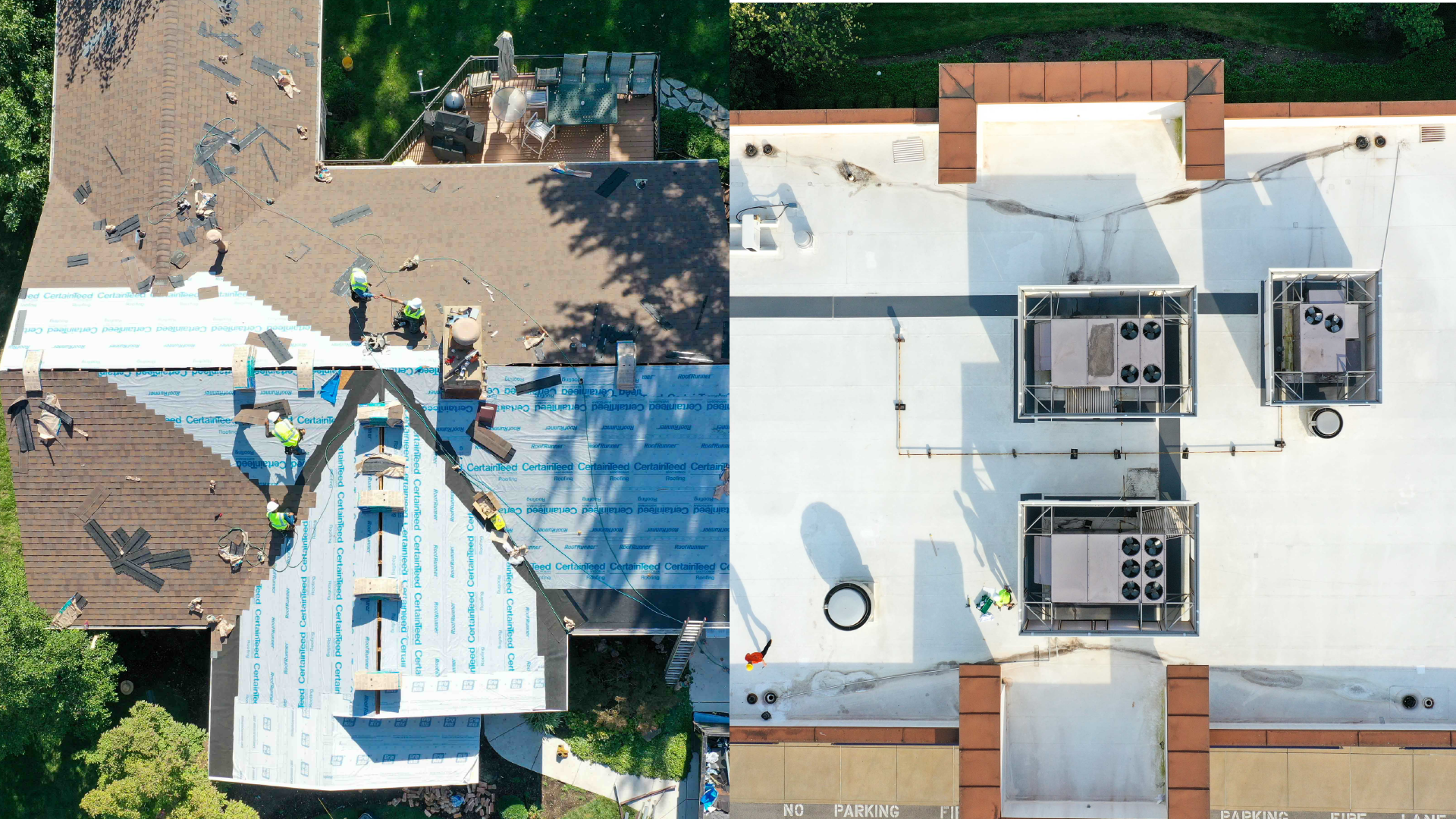
When deciding between a flat and pitched roof, consider your location, budget, and long-term building plans.
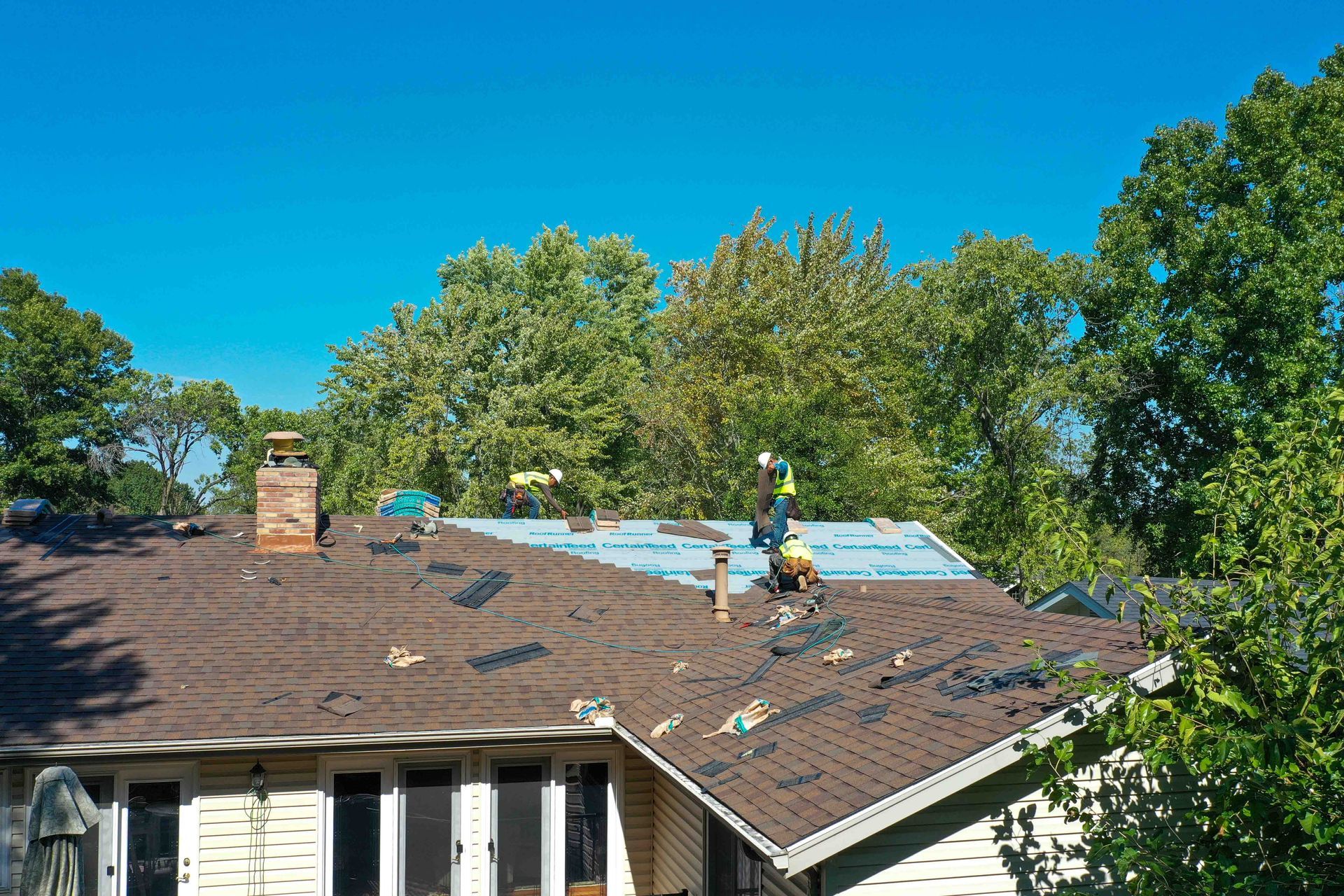
Understanding the different types of roofing warranties and what they cover can help you make an informed decision regarding a roof installation or replacement.
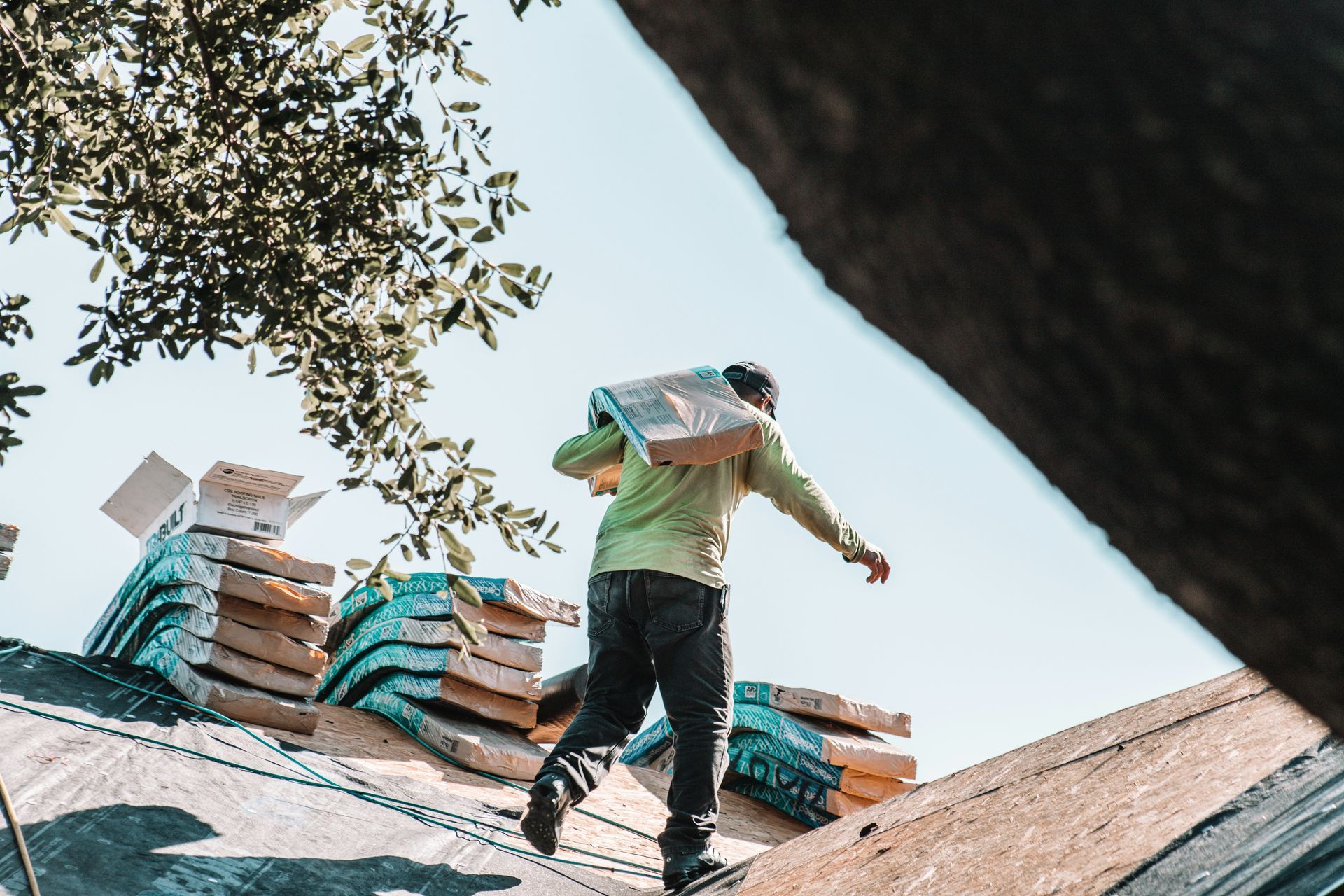
Roofing during the summer demands careful planning, safety measures, and awareness of risks.
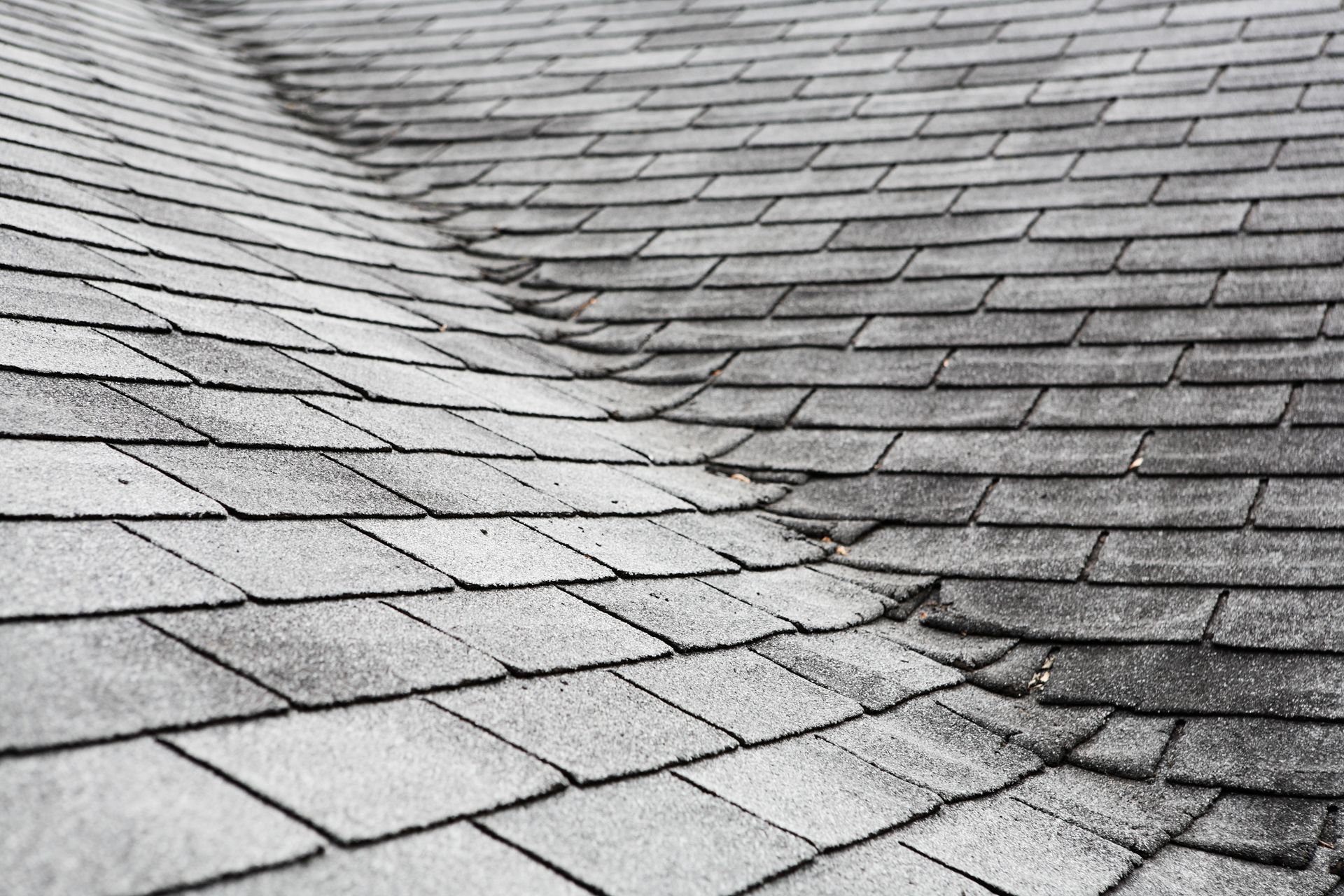
The decision to repair or replace your roof could depend on a few key factors. This guide will help you make the best decision for your home and yourself.
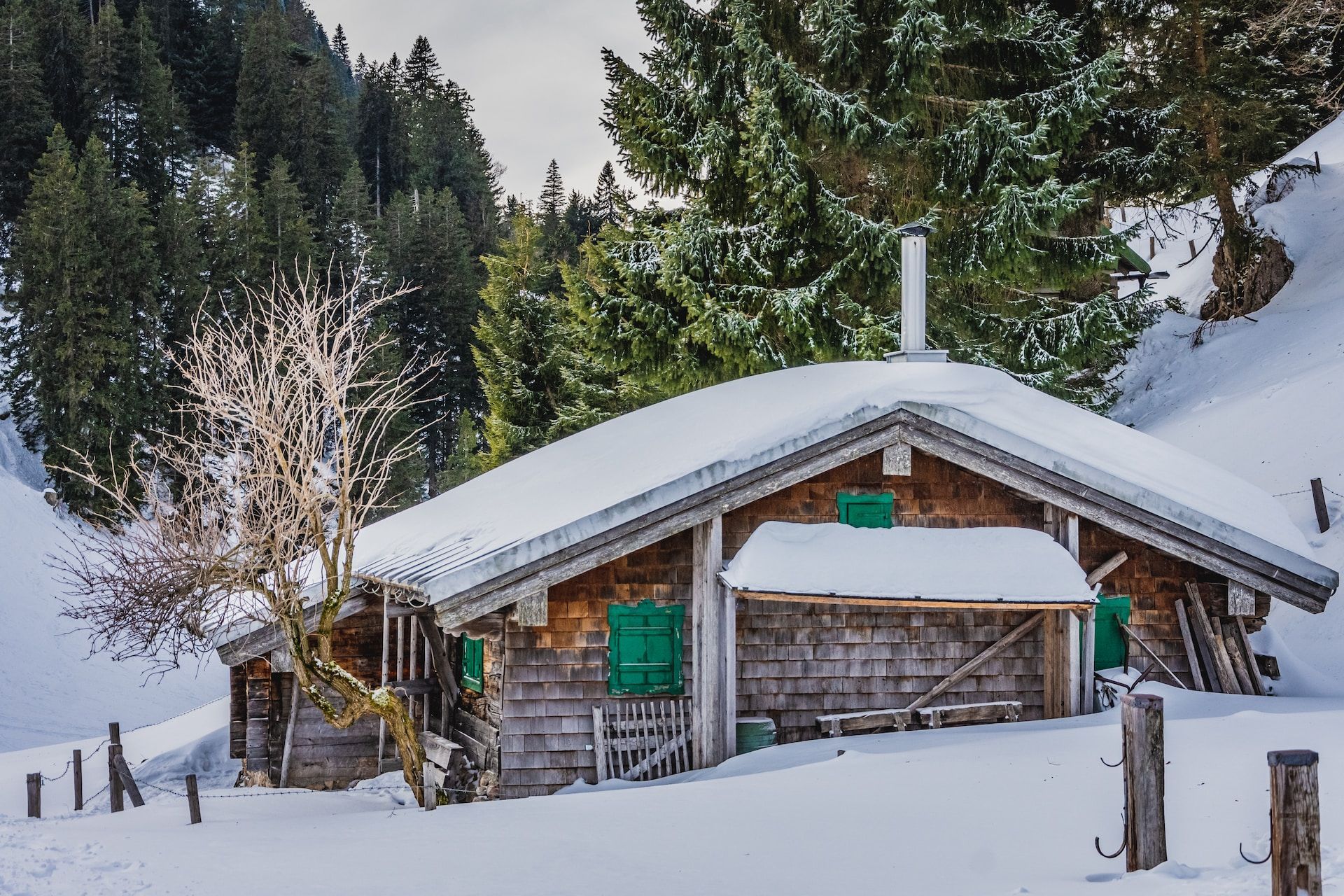
The Midwest is known for its unpredictable weather – especially during the winter. Homeowners can't ever 100% avoid property damage from weather issues, but they can prepare for each season and stay vigilant all year round. Let's examine how homeowners can keep their roofing, siding, and structures safe and secure during cold winters. Regular Roof Inspections Before the winter chill sets in, thoroughly inspect your roof; missing or damaged shingles can compromise the integrity of your roof, making it susceptible to leaks and water damage. Schedule regular roof inspections to identify and address any issues promptly. Investing in professional roofing services can provide a detailed assessment of your roof's condition and ensure it's ready to withstand the winter weather. Gutter Maintenance One often overlooked aspect of winter home maintenance is gutter care. Clean and debris-free gutters are crucial for proper water drainage, preventing ice dams and potential damage to your roof and siding. Remove leaves, twigs, and other obstructions from your gutters to allow water to flow freely. Consider installing gutter guards to minimize the accumulation of debris and simplify maintenance tasks. Trim Tree Branches Overhanging tree branches pose a threat to your home during winter storms. Heavy snow and ice can weigh down branches, leading to potential damage to your roof and siding. Trim any branches near your roof to reduce the risk of falling debris. This proactive measure protects your home and enhances your property's safety during severe weather conditions.