

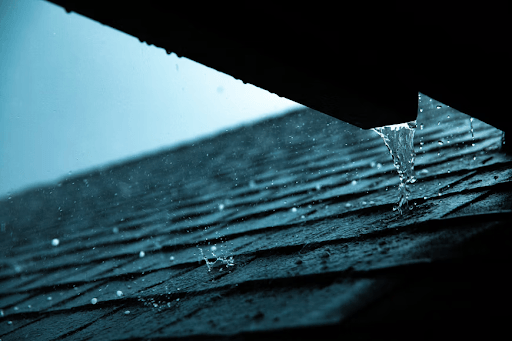
When homeowners notice problems inside their home (water stains, rising energy bills, or even mold), the roof isn't always the first thing they think to check. But in many cases, the roof plays a bigger role than expected.
As your home's first line of defense against the elements, even minor roofing issues can lead to noticeable (and costly) problems elsewhere.
If you're troubleshooting an issue in your home, here are some common signs that your roof may be part of the problem.
Water Stains on Ceilings or Walls
Brown spots on ceilings, peeling paint, or sagging drywall are often classic signs of a roof leak. What surprises many homeowners is that the leak may not be directly above the stain.
Water can travel along roof decking, rafters, and insulation before it becomes visible inside your home.
Even small leaks can cause significant damage over time, leading to rot, insulation damage, and mold growth if left unaddressed.
Mold or Mildew Inside the Home
Mold thrives in damp, poorly ventilated environments, and roofing issues can create the perfect conditions. A slow roof leak or improper ventilation can allow moisture to build up in attics, walls, or ceilings, eventually leading to mold or mildew indoors.
Beyond structural damage, mold can affect indoor air quality and pose health risks, underscoring the importance of promptly identifying and addressing moisture sources.
Higher-Than-Normal Energy Bills
If your heating or cooling costs seem to be climbing with no clear explanation, your roof may be contributing. Damaged shingles, inadequate insulation, or poor attic ventilation allow conditioned air to escape and outdoor air to enter, forcing your HVAC system to work harder.
Uneven temperatures between rooms, drafts, or excessive heat in the summer are all signs that your roof and attic system may not be performing efficiently.
Drafts, Ice Dams, or Attic Condensation
In colder months, roof-related issues often manifest as ice dams; these occur when warm air escapes through the roof, melts snow, and causes water to refreeze at the roof's edge, potentially forcing moisture under shingles.
Excess attic condensation can also point to ventilation problems. Over time, trapped moisture can damage insulation, wood framing, and roofing materials, shortening the lifespan of your roof.

Sagging Rooflines or Shingle Damage
A sagging roofline or visible shingle damage shouldn't be ignored. Curling, cracked, missing, or loose shingles leave your roof vulnerable to water intrusion.
While these issues may start small, they can quickly escalate into structural concerns if moisture reaches the roof deck.
Regular visual inspections from the ground can help catch these warning signs early.
Pest Activity or Unwanted Critters
Rodents, birds, and insects often enter homes through roof openings. Damaged flashing, deteriorating soffits, or gaps near vents and chimneys can create easy access to attic spaces.
If you notice scratching noises, nesting materials, or increased pest activity, it's worth checking the roof for vulnerabilities.
Interior Cracks or Ceiling Damage
Cracks in ceilings or upper walls can sometimes be linked to prolonged moisture exposure or structural movement caused by roof issues. While cracks can also be related to foundation settling, ruling out roof-related causes is an important part of the troubleshooting process.
How to Tell If the Roof Is the Source
While some roofing issues are obvious, others are harder to detect without experience. Homeowners can start by looking for the tell-tale signs of roof damage.
- Looking for missing or damaged shingles
- Checking the attic for water stains or damp insulation
- Inspecting flashing around chimneys, vents, and skylights
- Monitoring unexplained changes in energy usage
If symptoms persist or worsen, a professional roof inspection can help pinpoint the root cause.
When It's Time to Call a Professional
Certain issues should be evaluated by a roofing professional right away.
- Active leaks or water intrusion
- Sagging or structural changes
- Persistent mold or moisture problems
- Visible storm or wind damage
An experienced roofer can assess whether the roof is contributing to the problem and recommend appropriate repairs or maintenance.
Preventing Roof-Related Problems
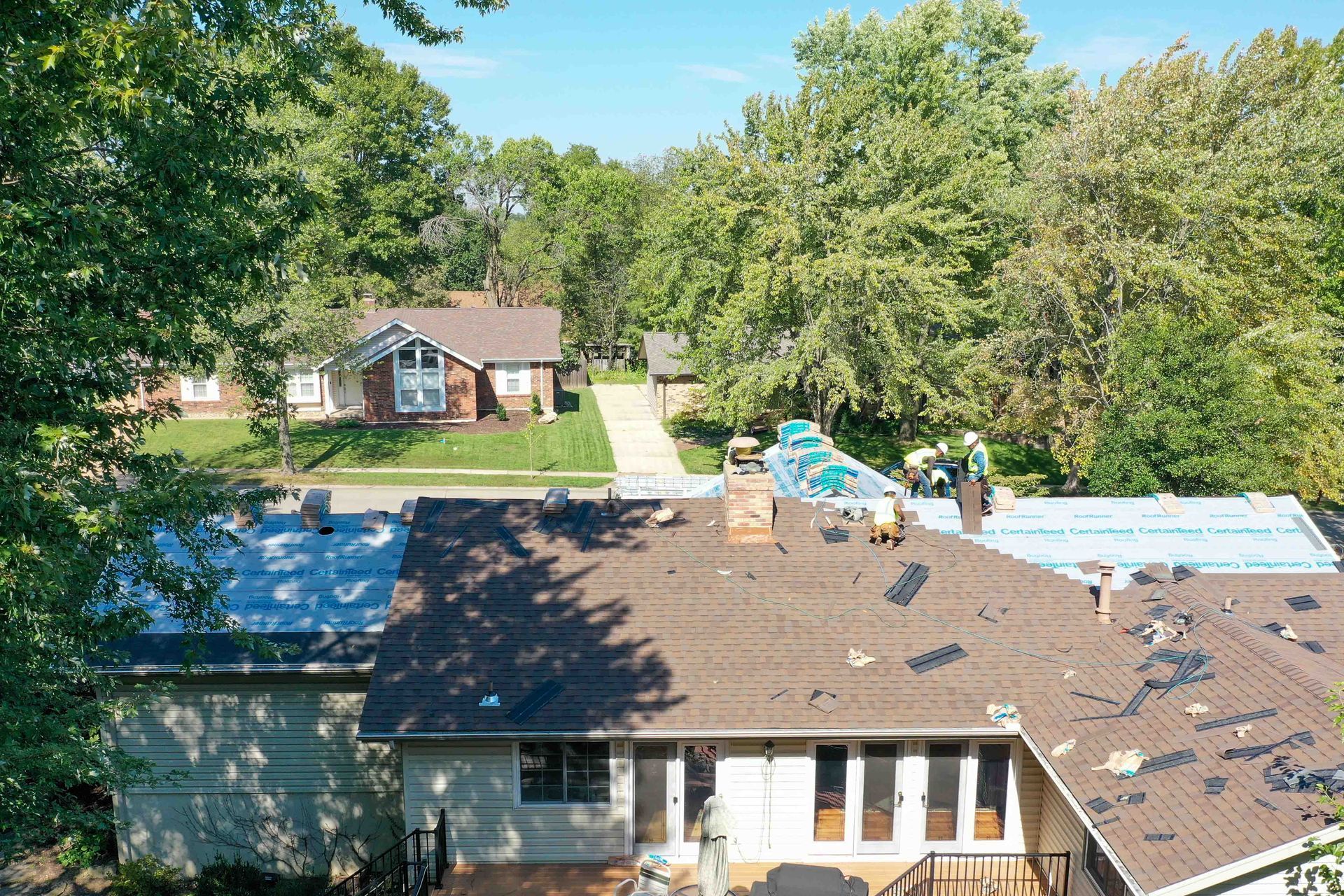
Preventive care goes a long way in avoiding major repairs. Regular inspections, keeping gutters clean, trimming overhanging branches, and addressing small issues early can extend the life of your roof and protect your home.
Work With CD Strong Construction
Many common household problems start at the top of the home. By recognizing warning signs and addressing roof issues early, homeowners can avoid more costly repairs down the road.
At CD Strong Construction, we can help you determine the condition of your roof and whether repairs or a total replacement are necessary. When you work with our team, we look out for you to ensure you get a quality roofing job that will last for years.