


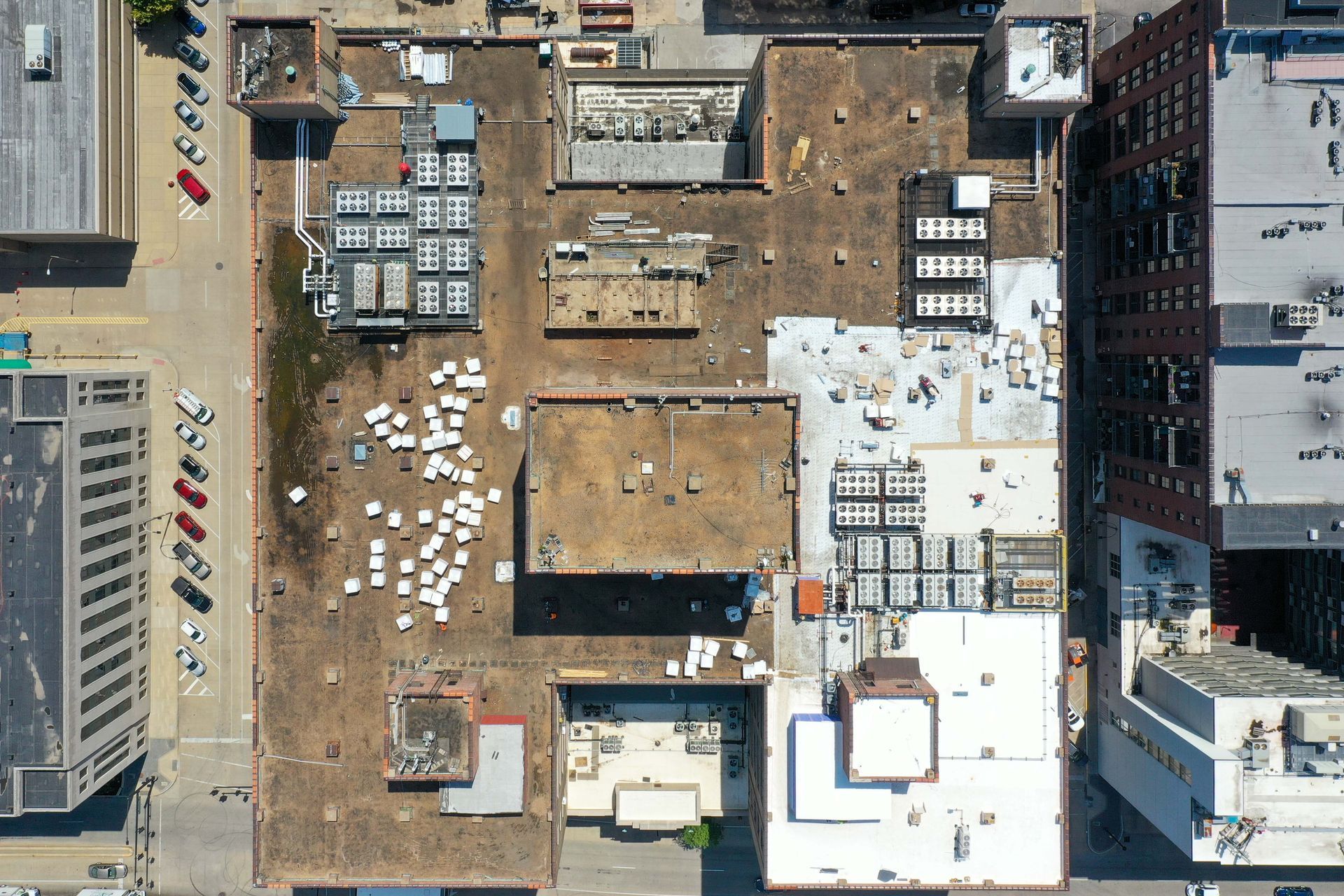
Roofing decisions directly affect energy costs in commercial buildings by influencing heat gain, heat loss, and overall building efficiency.
The materials you choose, the condition of the roof, and how it is installed all affect how hard your HVAC system must work. When roofing performance is overlooked, energy bills often rise quietly year after year.
A commercial roof is not just protection from the elements. It is part of the building's energy system.
How Does a Commercial Roof Impact Energy Efficiency?
A commercial roof affects energy efficiency by controlling how much heat enters or escapes the building.
Poor roofing systems allow excess heat to build up in warm months and escape during colder months (both scenarios force mechanical systems to compensate).
Key factors that make the difference include:
- Heat reflectivity
- Insulation performance
- Air sealing
- Roof condition and integrity
When these elements are misaligned or deteriorating, energy loss increases.
Why Roofing Material Choice Matters
Roofing materials determine how much solar heat the building absorbs. Dark or low-reflective surfaces absorb more heat, increasing interior temperatures and cooling demand.
High-reflective or cool roofing materials help reduce heat absorption by reflecting sunlight away from the building, stabilizing interior temperatures, and reducing strain on HVAC systems.
Material choice also affects durability and long-term performance. A failing roof allows moisture intrusion, compresses insulation, and reduces thermal effectiveness.
How Insulation Under the Roof Affects Operating Costs
Roof insulation plays a major role in controlling energy loss. Even the best roofing system underperforms if insulation is inadequate, damaged, or improperly installed.
Poor insulation leads to year-round headaches.
- Heat escapes during winter
- Heat enters during the summer
- Uneven indoor temperatures
- Constant HVAC cycling
For example, a warehouse with aging insulation may experience higher cooling costs despite newer rooftop equipment.
Addressing insulation during roofing projects often reduces energy waste more effectively than upgrading mechanical systems alone.
What Happens When a Roof Is Aging or Damaged?
An aging or damaged roof often loses its ability to control air and temperature. Small leaks, membrane separation, or saturated insulation reduce performance long before obvious structural failure occurs.
Common energy impacts of roof deterioration include:
- Increased heating and cooling costs
- Poor humidity control
- Hot and cold zones inside the building
- Frequent HVAC repairs
Energy loss often shows up quietly on utility bills long before visible damage appears
Why Roof Installation Quality Matters As Much as Materials
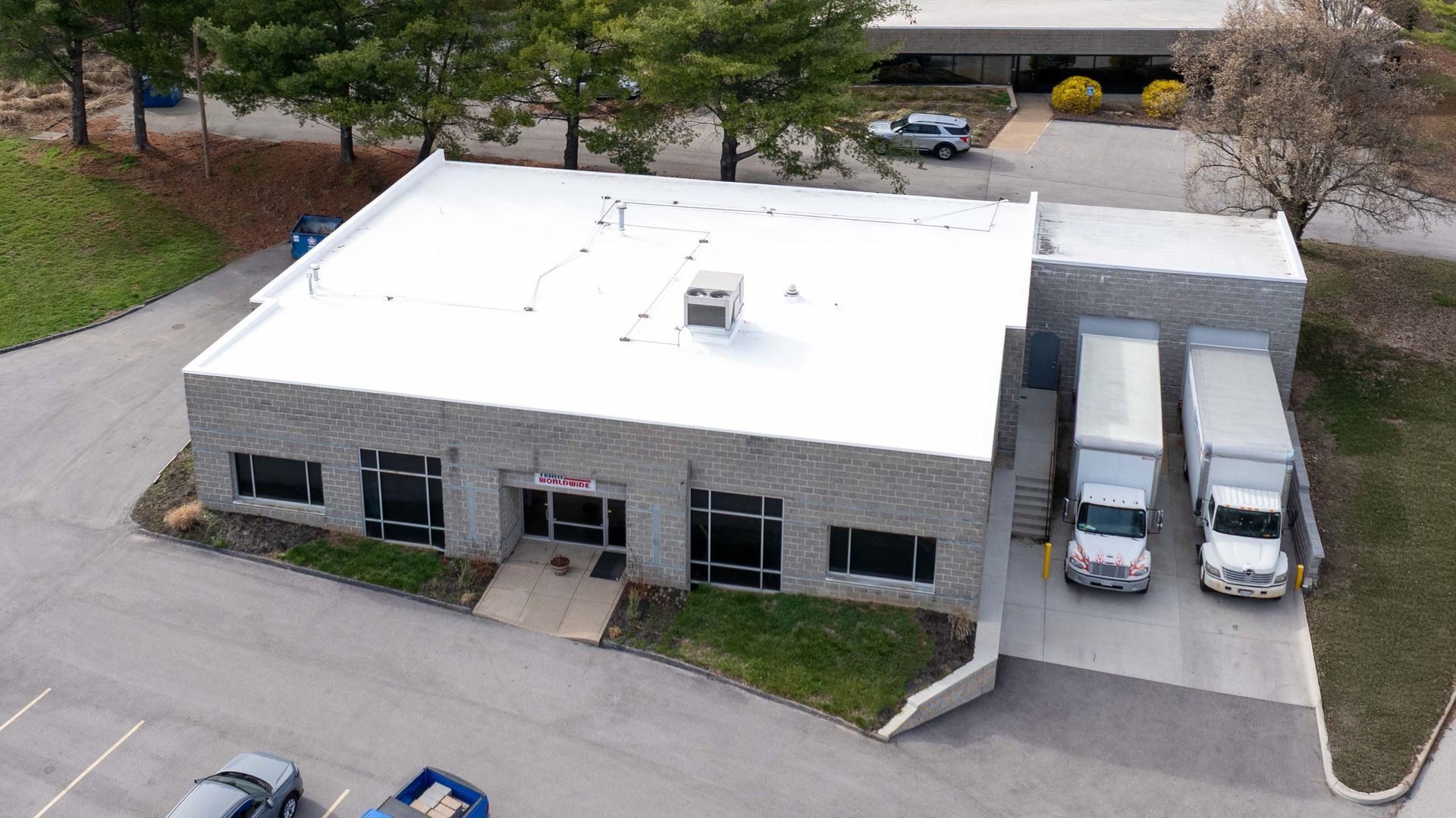
Even high-quality materials fail to deliver energy savings if installation is poor. Gaps, seams, penetrations, and transitions must be sealed correctly to prevent air leakage.
Improper installation can lead to:
- Air infiltration
- Thermal bridging
- Moisture intrusion
- Reduced insulation value
A well-installed roof system works as a continuous barrier. When shortcuts are taken, energy performance suffers.
How Roofing Decisions Impact HVAC Lifespan
When a roof performs poorly, HVAC systems work harder and cycle more frequently. That increased workload shortens equipment lifespan and raises maintenance costs.
A roof that supports stable interior temperatures helps HVAC systems operate efficiently. Over time, this reduces repair frequency and delays replacement.
Roof performance and mechanical performance are closely connected.
When Should Energy Considerations Be Part of Roofing Decisions?
Energy considerations should be addressed during planning, not after installation.
Replacing a roof is one of the best opportunities to improve energy performance because access to insulation, membranes, and sealing is already part of the process.
Waiting until after installation often means missed opportunities and higher retrofit costs.
CD Strong Construction Helps Owners Make Informed Roofing Decisions
At CD Strong Construction, we help commercial building owners evaluate roofing decisions with long-term performance in mind. That includes understanding how materials, insulation, and installation affect energy costs over time.
Roofing decisions should protect your building, support efficiency, and reduce operational strain. When those factors align, your roof becomes an asset instead of a hidden expense.
If you are planning a commercial roofing project or evaluating an existing system,
contact us today to see how we can help.